What are the risks associated with internal use of essential oils?
Today, essential oils enjoy enormous popularity, and their use has expanded from traditional aromatherapy into the area of internal ingestion. Despite the fact that on the internet and social media we often encounter recommendations for the internal use of essential oils, the professional community takes a reserved stance toward this approach. In this article, we explain why internal use of essential oils in home aromatherapy is discouraged and present scientifically based arguments in this field.
Concentration and potency
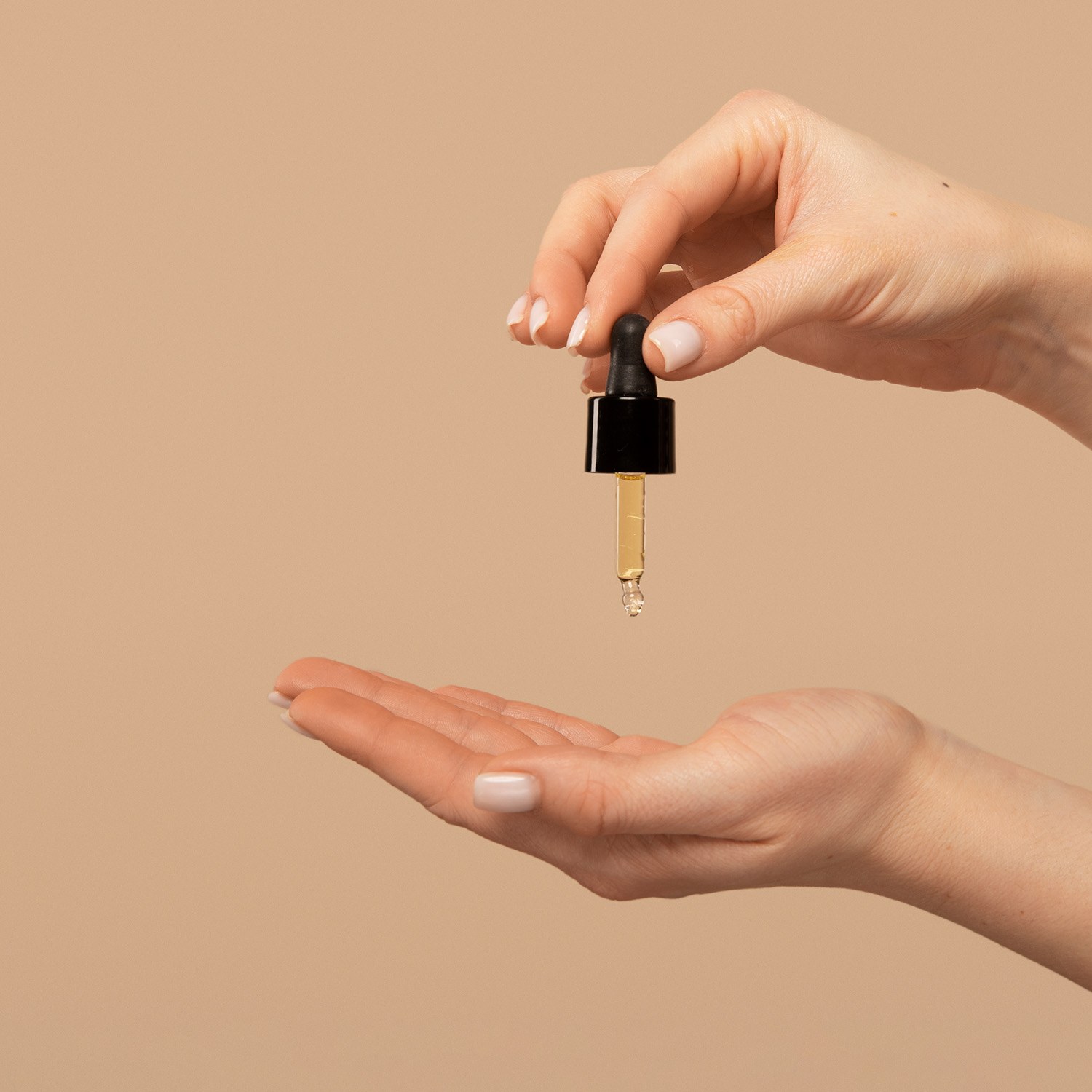
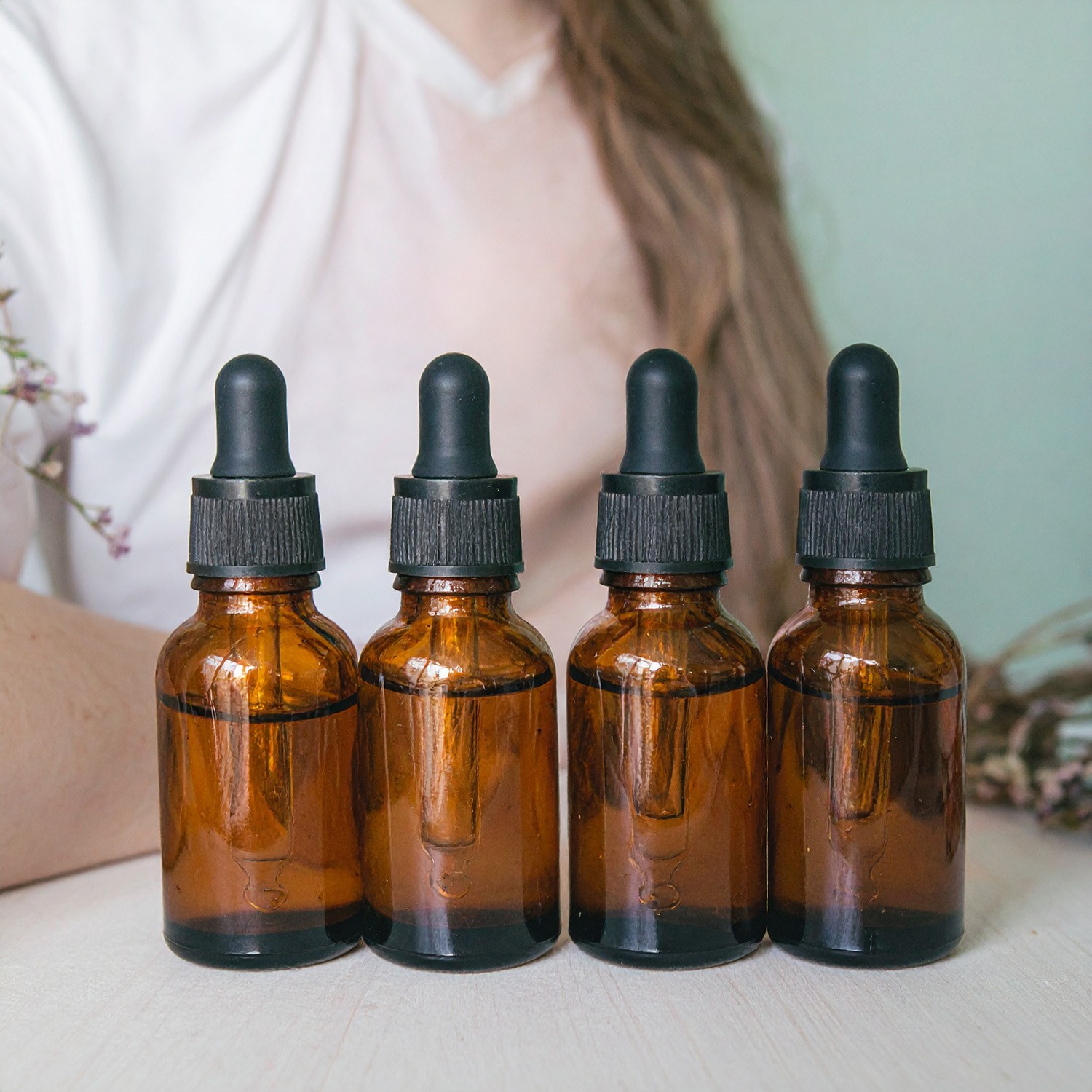
One of the key arguments against internal use of essential oils is their extreme concentration. Essential oil in a bottle is 50–100 times more concentrated than in the original plant. This fact has fundamental implications for safe use.
For illustration: one drop of peppermint essential oil corresponds to approximately 26–28 cups of peppermint tea. Such a concentration can cause irritation of the mucous membranes of the digestive tract, and with long-term use may lead to damage to the liver or kidneys.
To produce 1 litre of peppermint essential oil, approximately 200–250 kg of fresh leaves are needed. In the case of lemon balm (Melissa officinalis), even 3–5 tonnes of plant material are required. This explains the high price of lemon balm oil as well as the extreme concentration of active substances.
The bioavailability of essential oils with internal ingestion is up to 95 %, with inhalation approximately 50 %, and with application on the skin only about 5 %. This means that when ingested, almost the entire dose enters the bloodstream – which is a heavy load for the liver and a toxicity risk.
Risk of toxicity
Many essential oils contain substances that are potentially toxic when used internally. The most high-risk include:
Oregano (Origanum vulgare):
- Contains high concentrations of carvacrol (60–80 %)
- Can cause mucosal irritation and hepatotoxicity
- Interacts with drugs metabolized in the liver
Thyme (Thymus vulgaris):
- Contains up to 54 % thymol
- High doses can cause irritation of the gastrointestinal tract
- Potentially hepatotoxic effects
Cinnamon bark (Cinnamomum verum):
- Contains 50–90 % cinnamaldehyde
- Can cause allergic reactions and damage to mucous membranes
- High risk of hepatotoxicity
Eucalyptus (Eucalyptus globulus):
- Contains 60–85 % 1,8-cineole
- Can cause respiratory problems and neurological symptoms
- Particularly dangerous for children
Wintergreen (Gaultheria procumbens):
- Contains up to 98 % methyl salicylate
- Even a small amount can cause severe poisoning
Tea Tree (Melaleuca alternifolia):
- Toxic when taken internally
- Cases of poisoning in children have been reported with only a few ml
Insufficient regulation and standardization
Unlike pharmaceutical preparations, essential oils intended for internal use are not subject to strict regulation. There are no established standardized dosages, which leads to situations where consumers do not have sufficient information about safe amounts.
In the food industry, some components of essential oils are used as flavourings (GRAS – Generally Recognized As Safe), but these are highly purified substances and used in micro quantities. This is fundamentally different from the use of common EO sold for cosmetics or aromatherapy. Labelling cosmetic EO as “suitable for consumption” may be in conflict with legislation.
Specific risks of internal use
Damage to the digestive system
- Burning sensation and irritation in the oral cavity
- Sudden vomiting and nausea
- Gastroesophageal reflux
- Damage to tooth enamel on direct contact
Hepatotoxicity
- The liver is the main organ responsible for detoxification of essential oils
- Long-term or high doses may cause damage to hepatocytes, increased enzyme levels, or acute hepatitis
Drug interactions
- Essential oils can significantly affect drug metabolism via the cytochrome P450 system
- This may lead to increased or decreased efficacy of medicines and to toxic levels
Neurological effects
- Dizziness and disorientation
- Convulsions at high doses
- Depression of the central nervous system
Safe ways to use EO
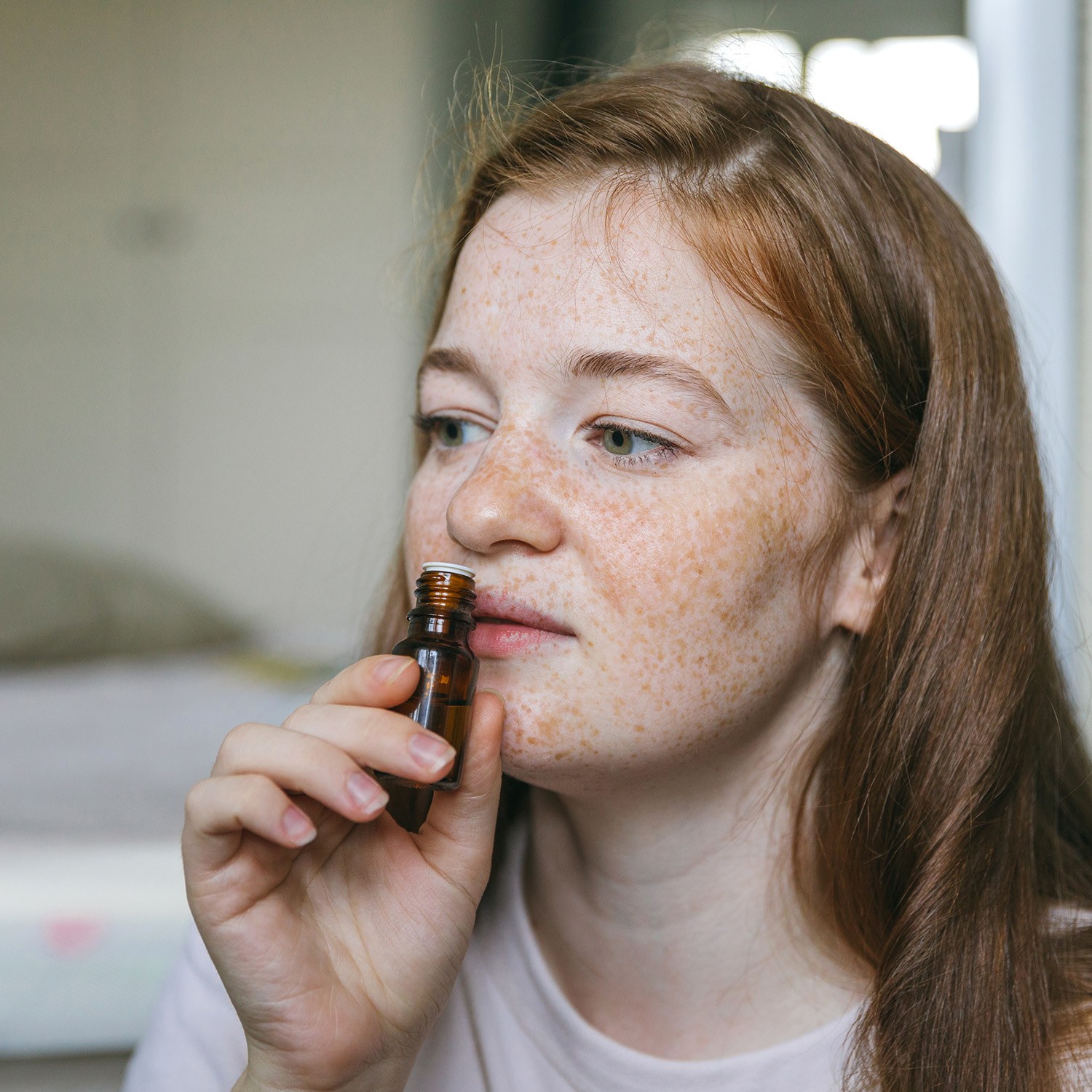
Inhalation
- Aromatherapy diffusers (electric or candle-based)
- Inhalation from a bowl of warm water
Topical application
- Massage blends (1–3 % concentration)
- Cosmetic products (0,5–1 % concentration)
- Always follow limits and categories of use according to IFRA
Aromatic baths
- EO added to the bath always via a solubilizer or emulsifier, or in the form of bath salts
- Proper dilution minimizes the risk of skin irritation
Conclusion
Internal use of essential oils represents a disproportionately high risk compared with the potential benefits. The extreme concentration of active substances, insufficient regulation, and the possibility of serious side effects make this practice dangerous for the general public.
Internal use of essential oils should take place exclusively under the supervision of qualified healthcare professionals with appropriate knowledge of aromatherapy and essential oil interactions. In the European Union, essential oils are classified as food supplements only when they meet strict quality and safety criteria. Most essential oils available on the market, however, are not intended for internal use, and their sale for this purpose may be in conflict with legislation.
Even though many essential oils in our range are classified as food supplements, we do not recommend their internal use and we sell them exclusively for aromatherapy and cosmetic manufacturing purposes.