Kup składniki z tego przepisu
Odhacz to, co już masz w domu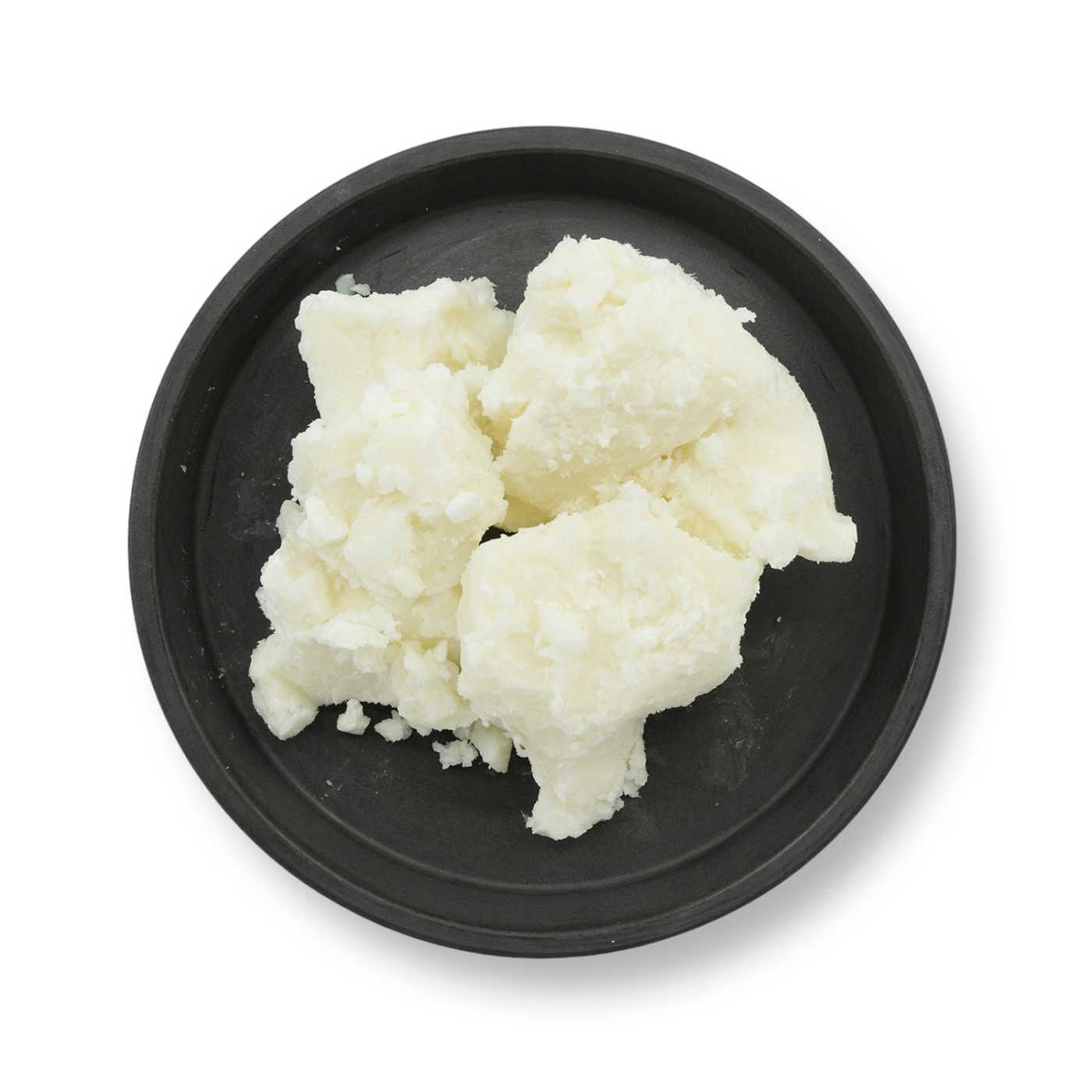 Bambucké maslo, rafinované, 1 kgprzepis zużywa 13 %dostępne15,49 €
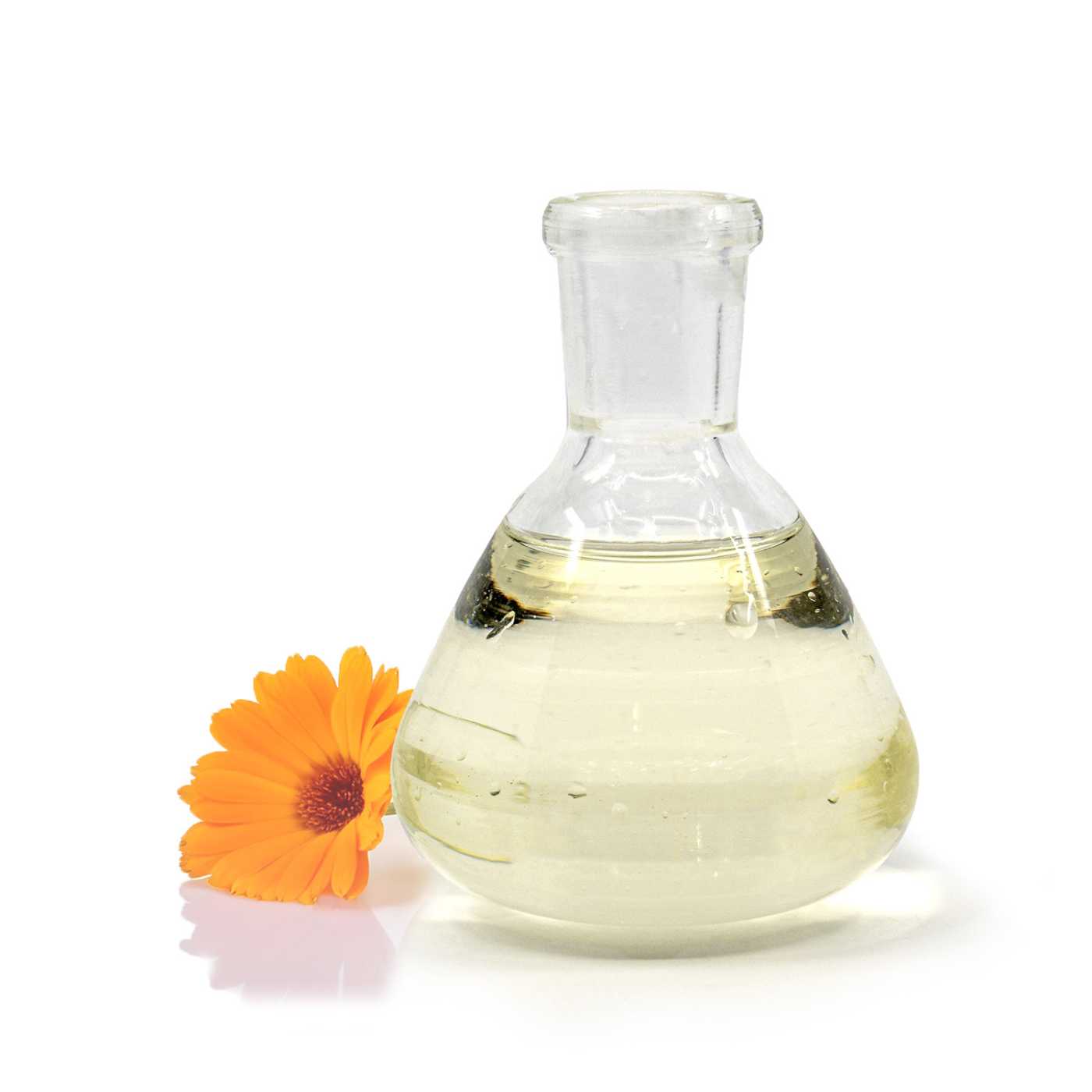 Nechtík, macerát v slnečnicovom oleji, 100 mlprzepis zużywa 7 %dostępne4,19 €
 Olivem 1000, 500 gprzepis zużywa 6 %dostępne60,89 €
 Lanolín bezvodný USP, 100 gprzepis zużywa 5 %dostępne4,40 €
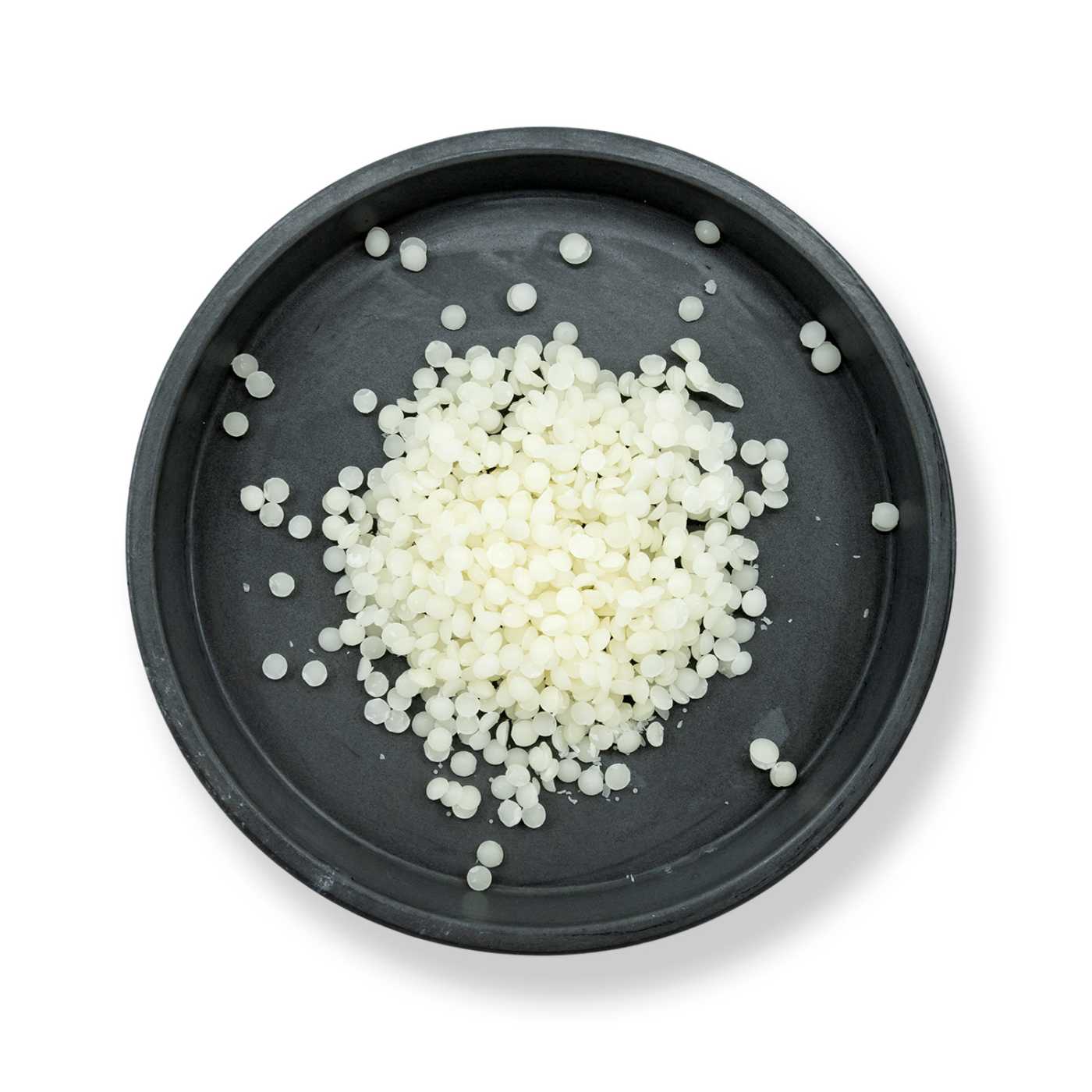 Včelí vosk biely, 100 gprzepis zużywa 3 %wyprzedaneObserwuj dostępność4,19 €
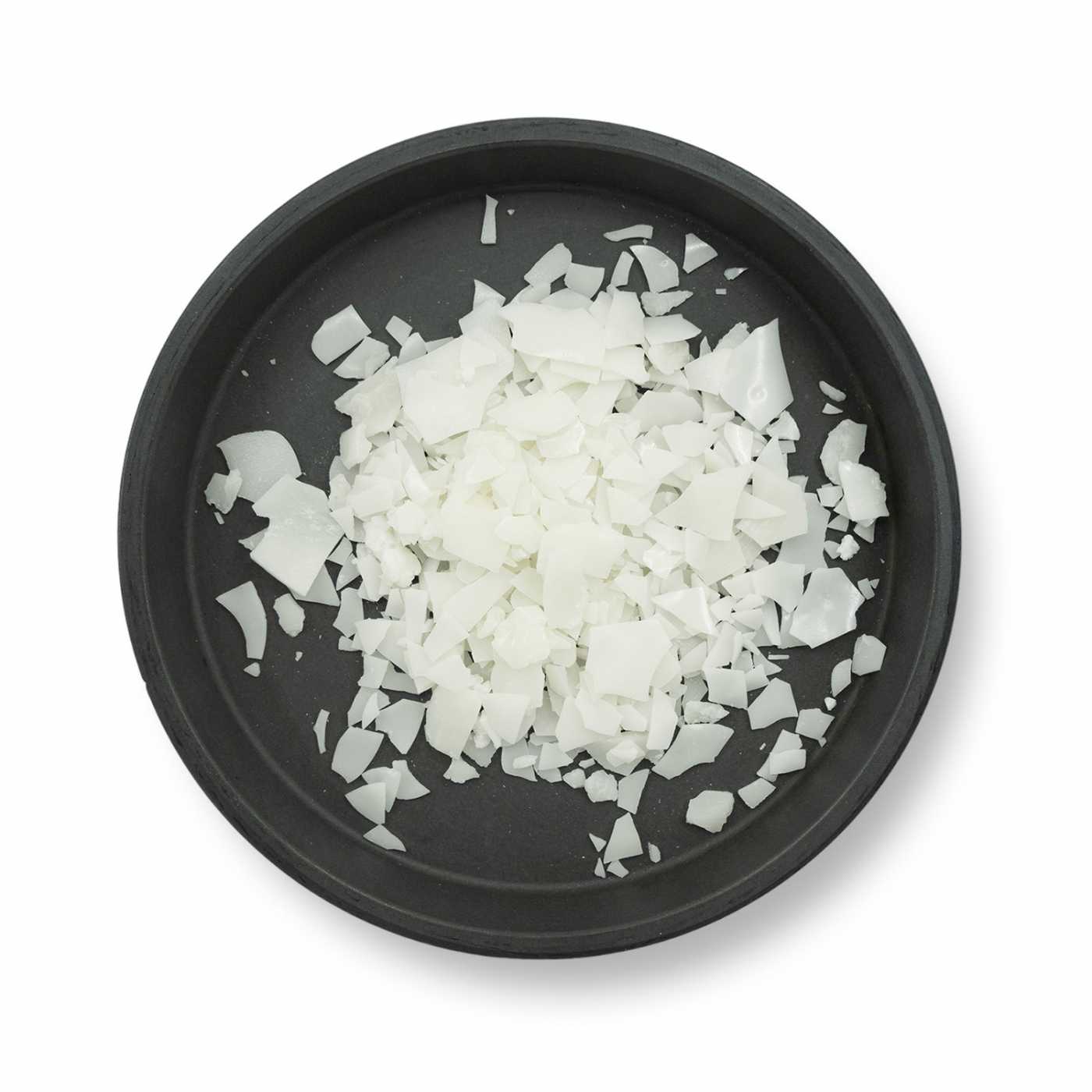 Cetyl alkohol, 1 kgprzepis zużywa 3 %dostępne14,69 €
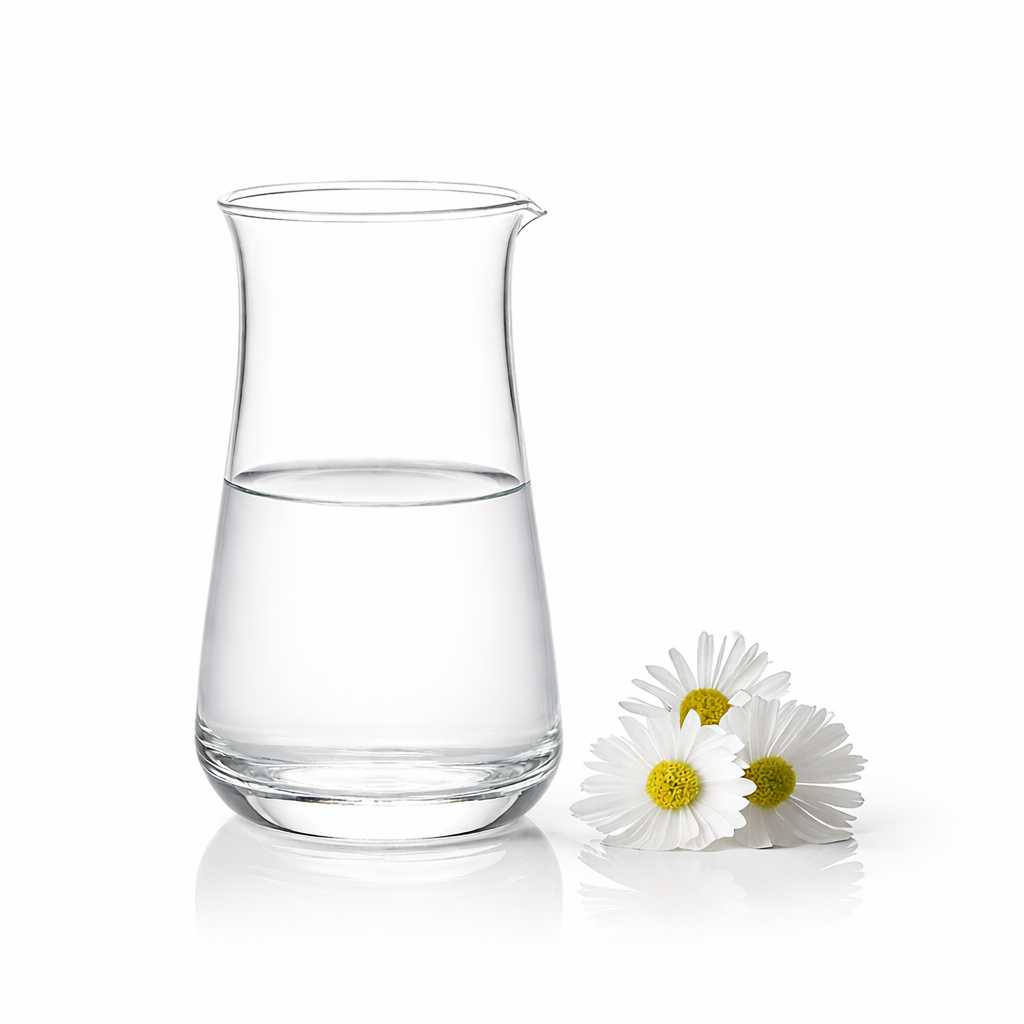 Kvetinová voda, hydrolát, Harmanček rímsky BIO, 1 lprzepis zużywa 25 %dostępne24,14 €
 Glycerín rastlinný 99,5% USP/BP, 1000 mlprzepis zużywa 4 %dostępne6,29 €
 D-Panthenol 75% W, 100 mlprzepis zużywa 3 %dostępne7,34 €
 Ovsený hodváb, BIO koloidná ovsenná múka, 50 gprzepis zużywa 2 %dostępne3,87 €
 Cosgard, konzervant, 10 mlprzepis zużywa 0,8 %dostępne1,98 €
 Granátové jablko CO2-to extrakt BIO, 10 mlprzepis zużywa 0,4 %wyprzedaneObserwuj dostępność2,49 €
Wybrano 10 z 12 składników143,28 €
We will describe in more detail the procedure for making a thicker cream for dry skin and a light face cream for 25+ skin.
Before we start with the actual formulations of the recipes, it is necessary to explain a few theoretical pieces of information. It is good to have the recipe, or in cosmetic terms the formulation, given in percentages. It is like baking, where you also need to follow exact quantities. Then you can easily calculate multiples or fractional quantities from it. It is equally important to follow the individual phases or procedures during production. Each step in the manufacturing process is designed to ensure the correct quality of the final product. If the procedure is not followed, it can lead to products that will not completely suit us.
MAKING HOMEMADE CREAM - PHASE FORMULATION
| phase A | tends to be the oil phase – it contains oil-soluble ingredients |
| phase B | is therefore the water phase – it contains water-soluble ingredients |
| phase C | contains ingredients that are additives, and a higher temperature of the mixture does not cause deterioration of the nutritive properties of the ingredients |
| phase D | mostly contains ingredients that are sensitive to higher temperature, which means that they could lose their nutritive properties, and therefore they are added only when the mixture is approximately below 40 ̊C. Alternatively, it is good to know the temperature sensitivity limits of the ingredients you use and mix them in only after this limit has been reached |
| phase C and D | If phases C and D form a dry mixture, do not be alarmed that you have a bad recipe, and simply take a smaller amount of glycerine or hydrolate from the water phase and thus ensure a homogeneous mass of both phases – for the emulsion, it is best to add ingredients in liquid or gel form, otherwise there is a risk of lumps |
MAKING HOMEMADE CREAM - LIST OF INGREDIENTS
| Phase | Name of ingredient | Content in % |
| A | Shea butter | 13 % |
| A | Calendula macerate | 7 % |
| A | Olivem 1000 | 6 % |
| A | Lanolin | 5 % |
| A | Beeswax | 3 % |
| A | Cetyl alcohol | 3 % |
| B | Aloe vera juice | 25 % |
| B | Chamomile hydrolate | 25 % |
| B | Glycerine | 4 % |
| B | D-panthenol | 3 % |
| B | Allantoin | 1 % |
| C | Oat silk | 2 % |
| C | Cosgard | 0,8 % |
| C | CO2 pomegranate | 0,4 % |
MAKING HOMEMADE CREAM MANUFACTURING PROCEDURE
| 1. |
Weigh out the individual ingredients and then prepare the individual phases separately. We will add the phases step by step.
|
| 2. | In the formulation you can also combine several emulsifiers, or add so-called co-emulsifiers (these are mainly purely natural emulsifiers, such as beeswax, lanolin, soy or sunflower lecithin, which by themselves are not strong enough to adequately emulsify the mixture, but are very nourishing and ensure an excellent final density of the cream). As you can see, in our recipe we used as many as 4 types of emulsifiers – lanolin, beeswax, Olivem1000 and cetyl alcohol. |
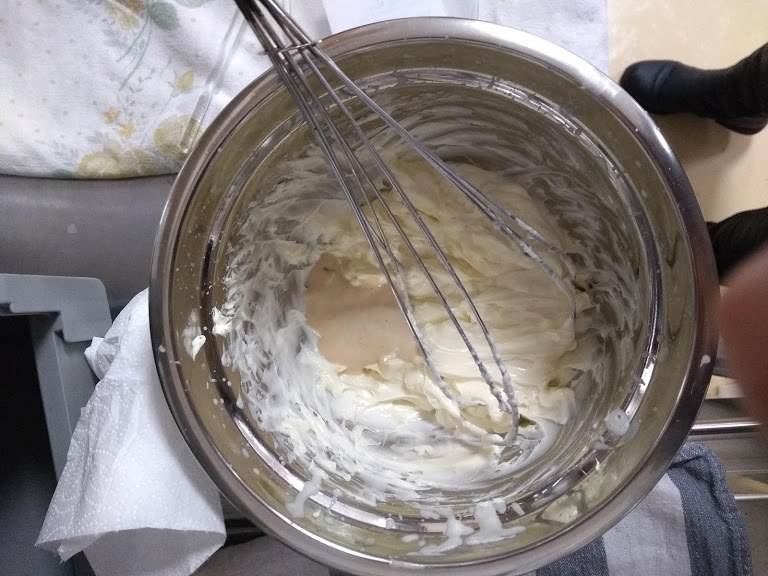
| 3. | Phase A is mixed with phase B, an intensive whisking process takes place (we have found that a good wrist action is necessary to create a quality emulsion :-) the emulsifier will not do everything by itself, so feel free to use a kitchen mixer). This process can also take place in a cold water bath, which will speed up the formation of the emulsion and the thickening of the cream. |
| 4. | When the correct consistency has formed, phase C is added, which also needs to be thoroughly mixed. |
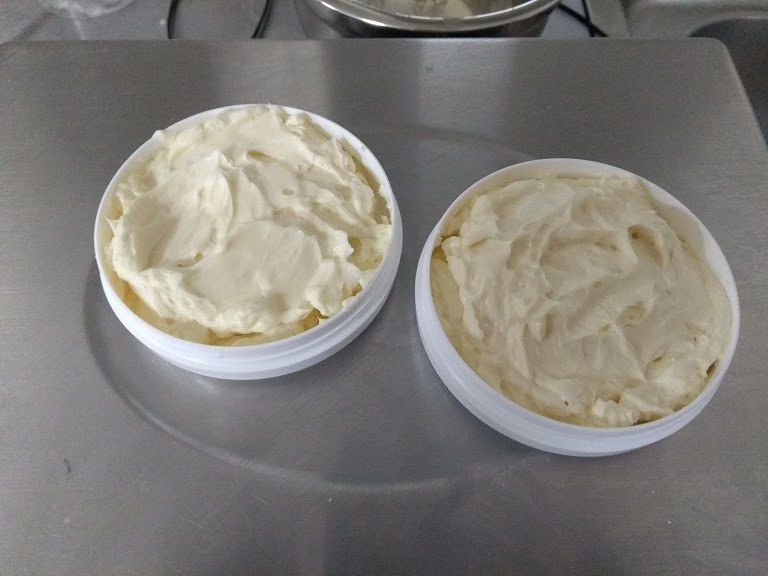
| 5. | We fill the mixture into jars, let it stand, and it can be applied. |
LIGHT FACE CREAM
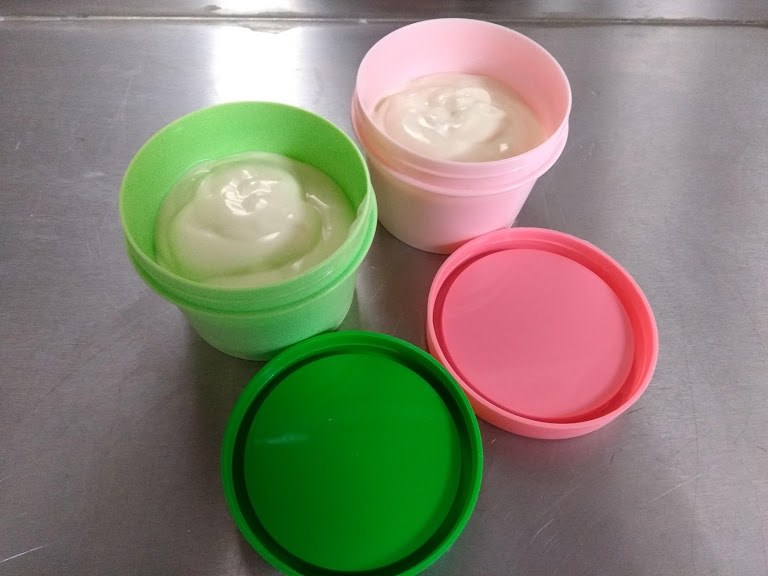
Basically, by following the same procedure as with the previous cream, we can also make a light face cream suitable for mature 25+ skin.
Light face cream - ingredients
| Phase | Name of ingredient | Content in % |
| A | Poppy seed oil | 8 % |
| A | PolyAquol 2W | 5,5 % |
| A | Olive squalane | 3 % |
| A | PCA Glyceryl Acetate | 3 % |
| A | Plum kernel oil | 2 % |
| A | Cupuacu butter | 2 % |
| B | White rose hydrolate | 66 % |
| B | Vegeluron | 5,9 % |
| B | Dermosoft P-30 | 0,1 % |
| C | Cosgard | 0,1 % |
| C | Sodium PCA | 2% |
| C | CO2 Rosemary | 0,5 % |
| C | Hyaluronic acid HMW | 0,5 % |
| C | Hyaluronic acid LMW | 0,5 % |
Do you also have your favourite cream-making recipe? Share it together with your creations at [email protected] and we will reward you for it.